
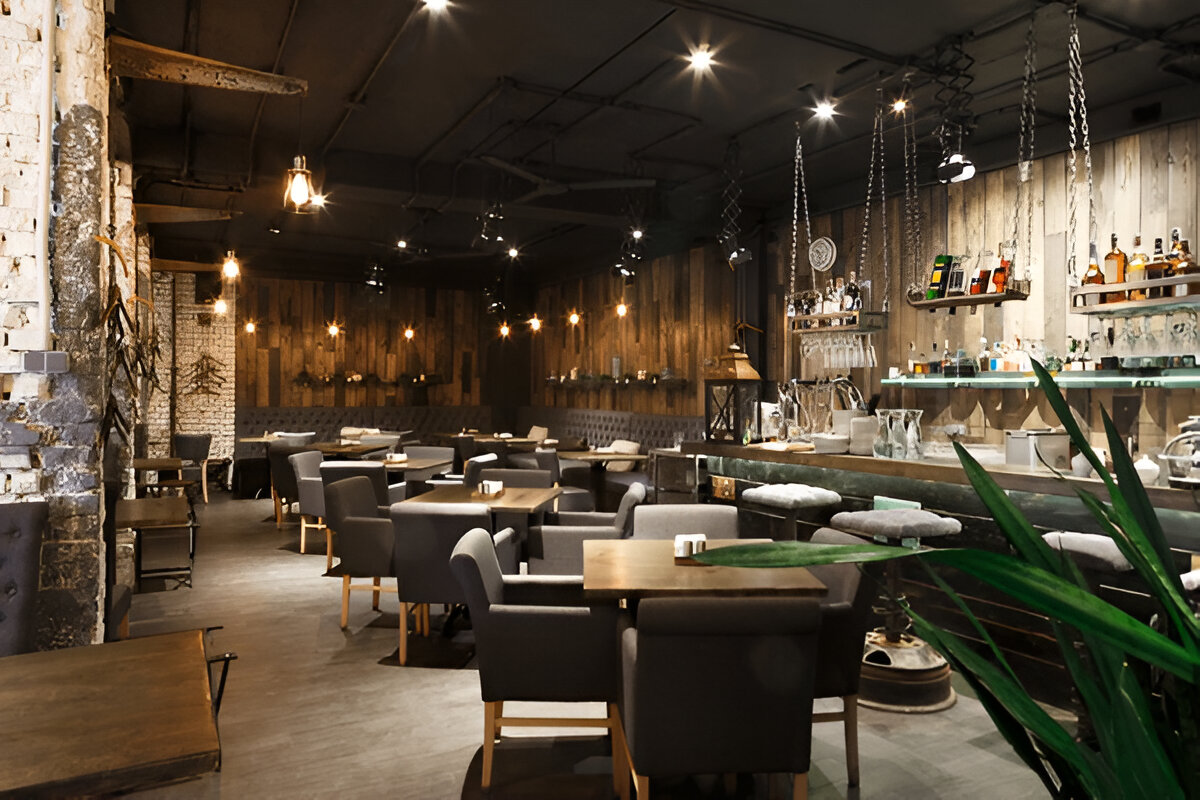
When you have signed the tenancy contract, you’re ready to turn your restaurant idea into reality, then you might hear the term: “Dubai Municipality approval”.
This guide explains everything about Dubai Municipality Approval for restaurants, so you know exactly what’s coming, what to prepare, and how to avoid the delays.
Why is Dubai Municipality Approval Important?
If you’re opening a restaurant, cafe, cloud kitchen, or any food-serving establishment in Dubai, Dubai Municipality (DM) approval is the central one. The DM Food Department specifically oversees all food-related businesses in Dubai.
Their job is to make sure that the physical space you’re operating in, the kitchen layout, ventilation, drainage, food storage areas, staff facilities, meets strict hygiene and safety standards. It doesn’t matter how good your chef is or how beautiful your interior looks. If the fitout doesn’t comply with DM food safety requirements, you won’t get a food license, and you won’t be able to open.
This is why getting the fitout right from day one, before construction even begins, is the smartest move you can make.
Who Needs DM Food Department Approval?
Anyone serving, preparing, or selling food commercially in Dubai needs a DM food department approval.
That includes:
- Full-service restaurants and casual dining
- Cafés and coffee shops
- Fast food outlets and quick service restaurants
- Cloud kitchens and dark kitchens
- Bakeries and confectioneries
- Food trucks and kiosks
- Catering kitchens
- Supermarket deli and food preparation sections
Even if you’re renting a space that previously operated as a restaurant, you still need fresh approval. The approval is tied to your fitout, not the premises itself.
What Dubai Municipality Actually Checks:
This is where a lot of business owners get confused. Dubai Municipality review the actual design of your space, and they know what they’re looking for.
Here’s what their inspectors focus on:
Kitchen layout and food flow – Dubai Municipality wants to see a clear separation between raw food, cooked food, and waste. The layout should prevent cross-contamination at every stage. This means your kitchen design needs to follow a logical workflow from delivery to preparation to cooking to service.
Ventilation and exhaust systems – Commercial kitchens generate serious heat, smoke, and grease-laden air. DM requires proper mechanical ventilation with grease filters, exhaust hoods above all cooking equipment, and fresh air supply calculations that match the kitchen’s load. This is one of the most common areas where projects hit delays.
Wall, floor, and ceiling finishes – Surfaces in food preparation areas must be smooth, impervious, non-toxic, and easy to clean. Tiling is the most common solution, but the joints, coving at floor-to-wall transitions, and material specifications all need to comply.
Handwashing facilities – Dedicated handwashing basins separate from food preparation sinks must be positioned at specific points throughout the kitchen. This isn’t optional or flexible.
Cold storage and refrigeration – Sufficient refrigerated storage for the volume of food you’re handling, with clear separation between raw meat, dairy, vegetables, and ready-to-eat foods. Walk-in coolers and freezers must meet specific sizing and temperature control requirements.
Waste and drainage – Grease traps are mandatory for commercial kitchens in Dubai. The sizing depends on the number of covers and cooking volume. DM will check whether your drainage plan includes proper grease interception before connection to the public sewer.
Staff facilities – Separate changing rooms, lockers, and toilets for food handlers. These must be positioned so staff don’t walk through food areas after using the facilities.
Documents Required:
Here’s what documents you will need to submit:
- Trade license copy (or initial approval if you’re setting up)
- Tenancy contract or Ejari registration
- NOC from the building owner or landlord
- Detailed architectural drawings showing the full kitchen and service layout
- MEP drawings – mechanical (ventilation), electrical, and plumbing
- Grease trap design and calculations
- Material specifications for kitchen surfaces
- Food safety plan or HACCP documentation (for larger operations)
- Equipment schedule showing what’s being installed
Dubai Municipality has made significant strides in digital processing through its DM Portal. Many submissions are handled online, but a consultant who knows the system will still save you considerable time in formatting documents correctly and responding to reviewer queries.
The Approval Process :
Here is the step-by-step process:
Step 1: Design Stage :
Before anything is built, your consultant or fitout contractor prepares detailed drawings based on DM’s food safety guidelines.
Step 2: Initial Submission:
Documents and drawings are submitted to DM’s Food Safety Department through the appropriate channel. This triggers the review process.
Step 3: Review and Comments:
DM engineers review the submission and usually come back with comments or revision requests. This is completely normal. Most projects go through at least one round of revisions. Having an experienced consultant means these revisions are minor and resolved quickly.
Step 4: Approval and NOC:
Once DM is satisfied with the design, they issue the approval allowing fit-out work to begin.
Step 5: Site Inspection:
After the fitout is complete, a DM inspector visits the site to verify that the construction matches the approved drawings. This is your last checkpoint before operating.
Step 6: Food License Issuance:
With DM clearance in hand, you can proceed to get your food license and open for business.
How Long Does It Take?
Timeline depends on how prepared you are.
A well-prepared submission with compliant drawings, all the right documents, and a consultant who knows the DM system can get through the process in 2 to 4 weeks for a standard restaurant fitout. More complex projects, or those requiring significant revisions, can take 6 to 10 weeks or more.
The biggest delays we see consistently come from:
- Drawings that weren’t prepared with DM standards in mind
- Missing documents that hold up the entire submission
- Grease trap sizing that doesn’t match the kitchen’s capacity
- Ventilation calculations that fall short of requirements
- Kitchen layouts that don’t achieve proper food separation
Common Mistakes:
Starting fitout before getting approval : This is unfortunately common, especially under lease pressure. Landlords want fit-out periods to start, tenants are eager to open, and the approval process feels like it can run in parallel with construction. It can’t, at least not safely. If DM’s inspection reveals non-compliant work, you’ll be paying for demolition and reconstruction, not just paperwork.
Using a contractor who isn’t familiar with DM requirements : A skilled contractor who builds beautiful interiors but doesn’t understand food safety compliance will produce beautiful interiors that fail inspection. DM approval requires specific technical knowledge, and it’s not the same as standard residential or office fitouts.
Underestimating the grease trap : Many restaurant owners don’t think much about grease traps until they become a problem. The sizing is based on your kitchen’s cooking load, and if it’s undersized, DM will flag it. Worse, if it’s installed undersized and you open anyway, you’ll face issues during routine inspections.
Changing the layout after approval : If you modify your kitchen layout after receiving DM approval but before the inspection, you’ve created a discrepancy between what was approved and what was built. Always get revised drawings approved if you make significant changes.
What About Free Zones?
If your restaurant is located within a free zone, such as DIFC, Dubai Design District, Dubai Creek Harbour, and others, the approval authority changes. Free zone operators have their own regulatory bodies and their own fitout standards.
DM food safety guidelines often still apply to the food operation side, even in free zones. The key is knowing which approvals apply to your specific location, and not assuming the process is the same as mainland Dubai.
Working With a Professional Fitout Approval Consultant
Many F&B operators try to handle the approval process themselves, especially in the early stages when budgets are tight. For a simple coffee kiosk, that might work out fine. For a full restaurant with a commercial kitchen, it rarely goes smoothly without professional help.
A good fitout approval consultant review your architect’s drawings before submission and flag issues that would cause rejections. They know which DM engineers handle food approvals and what specific reviewers typically focus on. They manage timelines so approvals run in parallel where possible, rather than sequentially, saving weeks off your opening schedule.
Conclusion
Opening a restaurant in Dubai is an exciting process, and the city genuinely is one of the best places in the world to do it. The F&B sector here is competitive, fast-moving, and full of opportunity.
But the approval process is real, and it has real consequences if you try to shortcut it. Dubai Municipality’s food safety requirements protect your customers, your staff, and ultimately your business.
Get the fitout right from the start. Work with people who understand the process. And give yourself enough time in your project plan that approvals aren’t the thing that holds up your opening.
If you’re planning a restaurant fitout in Dubai, learn more about our DM Food Department approval service or contact our team for a consultation.
Need help with DM Food Department approval for your restaurant fitout? Contact our team for a consultation.
