
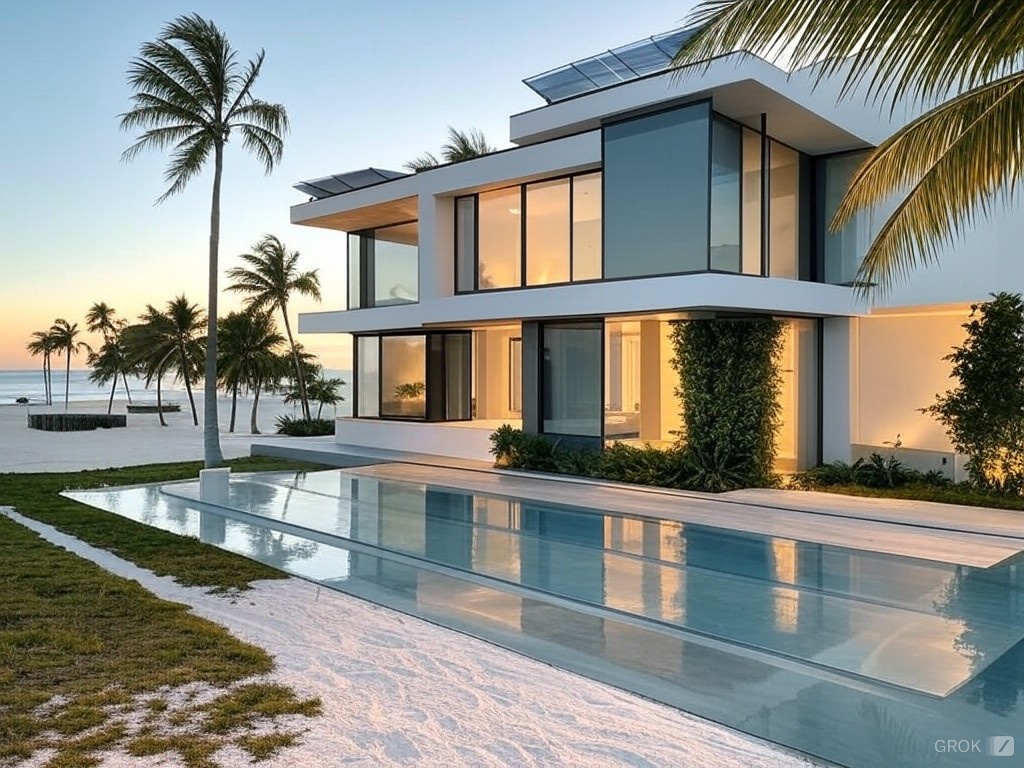
Building a swimming pool in Dubai can be an exciting addition to your villa, residential building, or commercial property. But before construction begins, it’s important to understand that swimming pool approval in Dubai is mandatory and regulated by strict safety, hygiene, and engineering standards.
If you are planning a private villa pool, rooftop pool, hotel pool, or community pool, getting the right approvals ensures your project is legal, safe, and compliant with Dubai Municipality and other authorities.
This guide explains the key requirements for swimming pool approval in Dubai.
1. Swimming Pool Approval Is Mandatory Before Construction
In Dubai, no swimming pool construction can start without official approval. All pool plans must be reviewed and approved by the relevant authority before any work begins.
Depending on your location, approvals may be required from:
- Dubai Municipality (DM)
- Trakhees (PCFC areas)
- Dubai Development Authority (DDA)
- Community developers such as Nakheel, Emaar, or other master developers
Authorities evaluate architectural layouts, MEP drawings, structural safety, and pool design before issuing approval.
2. Structural and Engineering Safety Requirements
Dubai authorities require swimming pools to meet strict structural and engineering standards to prevent leaks, cracks, and safety risks.
Pools must be designed with:
- Proper waterproofing and reinforced concrete structure
- Safe foundation support and load calculations
- Correct spacing from villa walls and boundaries
- Approved pool equipment room layout
- Safe pool floor slope and smooth surface finishes
- Light-colored pool flooring for hygiene and visibility
3. Mandatory Safety Barriers and Fencing
Child safety is a major priority in Dubai’s pool regulations.
Private and residential pools must include:
- A protective fence or barrier at least 1.2 meters high
- A self-closing and self-latching safety gate
- No gaps or openings that children can crawl through
- Climb-proof and child-resistant fencing systems
These measures are essential to prevent accidents and drowning risks, especially in homes with children.
4. Lifeguard, Safety Equipment & Signage Requirements
For many public, hotel, and residential pools, Dubai Municipality requires:
- A lifeguard on duty when pools are in use
- A lifeguard high chair where applicable
- Safety equipment such as lifebuoys, rescue tools, and first aid kits
- CPR instruction signage displayed near the pool
- Emergency contact numbers (police, ambulance, civil defense)
- Clear Arabic and English warning signs near pool areas
5. Pool Water Quality, Filtration & Hygiene Standards
Maintaining safe and hygienic pool water is a legal requirement in Dubai.
Pool owners must ensure:
- A proper filtration and chlorination system
- Daily water testing for pH, chlorine, and temperature
- Regular microbiological water testing
- Efficient circulation systems to prevent algae and bacteria buildup
- Clean pool surfaces and debris-free water
Authorities can suspend pool use if water quality standards are not met.
6. Electrical, Plumbing & Drainage Compliance
Swimming pool systems must follow Dubai’s MEP (Mechanical, Electrical & Plumbing) standards, including:
- Safe electrical grounding and waterproof lighting
- Residual Current Devices (RCD) for electrical protection
- Anti-entrapment pool drains
- Proper drainage systems to prevent flooding or leakage
- Approved plumbing connections to protect surrounding structures
This prevents electrical hazards, water damage, and long-term structural issues.
7. Non-Slip Flooring, Safe Access & Depth Markings
Dubai pool guidelines require:
- Non-slip flooring around pool decks
- Safe entry and exit points such as steps, ladders, and handrails
- Visible depth markers
- “No Diving” boards where required
- Clear walkways around pool areas for safe movement
8. Indoor Pool Ventilation & Environmental Considerations
For indoor pools:
- Proper ventilation systems are required to control humidity
- Air circulation must prevent mold and condensation buildup
Dubai also encourages:
- Efficient water use
- Solar water heating solutions
- Environmentally compliant water discharge systems
9. Final Inspection & Completion Certificate
After construction, pools must undergo final authority inspection before being opened for use.
Authorities verify:
- Approved drawings match the actual construction
- Safety features and fencing are installed
- Water quality and filtration systems are operational
- Emergency equipment and signage are in place
Once approved, a completion certificate is issued, confirming legal compliance.
Why Swimming Pool Approval in Dubai Is Important?
Obtaining proper swimming pool approval in Dubai ensures:
- Legal compliance with local regulations
- Safer pools for families and guests
- Reduced risk of fines, project delays, or rejection
- Higher property value and professional credibility
- Long-term durability and reduced maintenance issues
Skipping approvals can lead to penalties, pool closure, or forced modifications.
How Fitout Approvals Can Help with Swimming Pool Approval in Dubai ?
At Fitout Approvals, we handle the complete swimming pool approval process in Dubai, including:
- Authority drawing preparation
- Dubai Municipality and developer submissions
- Engineering and compliance documentation
- Safety and regulatory approvals
- Final inspection coordination
- Completion certification support
We ensure your pool project is approved faster, built safely, and fully compliant.
If you are planning a private or commercial pool, working with an experienced approval consultant ensures a smooth, stress-free approval process. Contact us to get a consultation.
